Posted on 25/10/2026
Fines & waste rules: Westminster guidance on floral disposal
If you handle flowers in Westminster, whether it is a home bouquet after a celebration, wedding arrangements at a venue, or leftover stems from a florist display, floral disposal sounds simple until it is not. One wrong bin, one overfilled sack, or one awkwardly timed put-out can lead to complaints, missed collections, or worse, a fine. This guide to Fines & waste rules: Westminster guidance on floral disposal explains what matters, how it works in practice, and how to stay tidy, compliant, and calm about the whole thing.
To be fair, most floral waste is straightforward once you know the local expectations. But Westminster is a busy place. Pavements are narrow, bin storage can be awkward, and shared buildings often need everyone to play their part. That is where clear process matters. In this article, you will find practical steps, common mistakes, best practice tips, and a realistic checklist you can use straight away.
Expert summary: treat floral waste as a waste-handling task, not just a tidy-up job. Separate what can be reused, composted, or recycled where allowed; keep general waste contained; and make sure no garden-style bulk waste or food-contaminated material is left out unsafely. That simple mindset prevents a lot of grief.

Why Fines & waste rules: Westminster guidance on floral disposal Matters
Floral waste is one of those small things that can become a bigger problem when it is handled badly. A few stems, leaves, wraps, ribbons, water-soaked foam, or broken vases can quickly create odours, mess, and litter if they are dumped in the wrong place. In Westminster, where streets are heavily used and many buildings share bins or service access, waste discipline matters more than people sometimes expect.
The biggest issue is not flowers themselves. It is what comes with them. A bouquet might include plastic wrapping, tape, rubber bands, cellophane, cardboard sleeves, and sometimes wet compostable material mixed together. If all of that goes into the wrong container, it can contaminate recycling or make general waste harder to manage. And if bags are left outside the approved time or location, enforcement action becomes more likely. Not glamorous, but very real.
For businesses, the stakes are higher. A florist, wedding organiser, venue, hotel, cafe, or office using flowers for decoration has a duty to manage waste responsibly. That includes knowing who is responsible for disposal, when collections happen, and how to stop waste from spilling onto the pavement. A customer does not want to walk past wilted petals and torn wrapping first thing in the morning. Nobody does.
There is also a reputational side. Clean, well-managed floral disposal says something about your standards. It tells people you care about the details. In a place like Westminster, where presentation matters and footfall is constant, that really does count.
How Fines & waste rules: Westminster guidance on floral disposal Works
At a practical level, floral disposal usually falls into a few simple categories: reusable material, recyclable packaging, organic green waste, and general refuse. The exact handling depends on the type of waste, who is producing it, and the facilities available on site. That is the key. Not every petal belongs in the same bin.
Typical waste streams from flowers
- Fresh flower heads, stems, leaves, and foliage: often treated as green waste or general waste depending on local facilities and the setting.
- Wrapping and packaging: paper may be recyclable if clean; plastic wrap often is not, especially if contaminated.
- Flower foam and display materials: frequently require careful handling as general waste unless a specific service accepts them.
- Water, vases, and containers: should be emptied and cleaned before reuse or disposal.
- Ribbon, tape, and ties: usually go to general waste unless a recycling route is clearly available.
In real life, the challenge is sorting in a way that is fast enough to keep people moving. A florist at closing time, or a venue after a wedding breakfast, is not going to spend an hour hand-sorting every petal. Nor should they have to. Good systems make the right thing easy.
What usually triggers problems
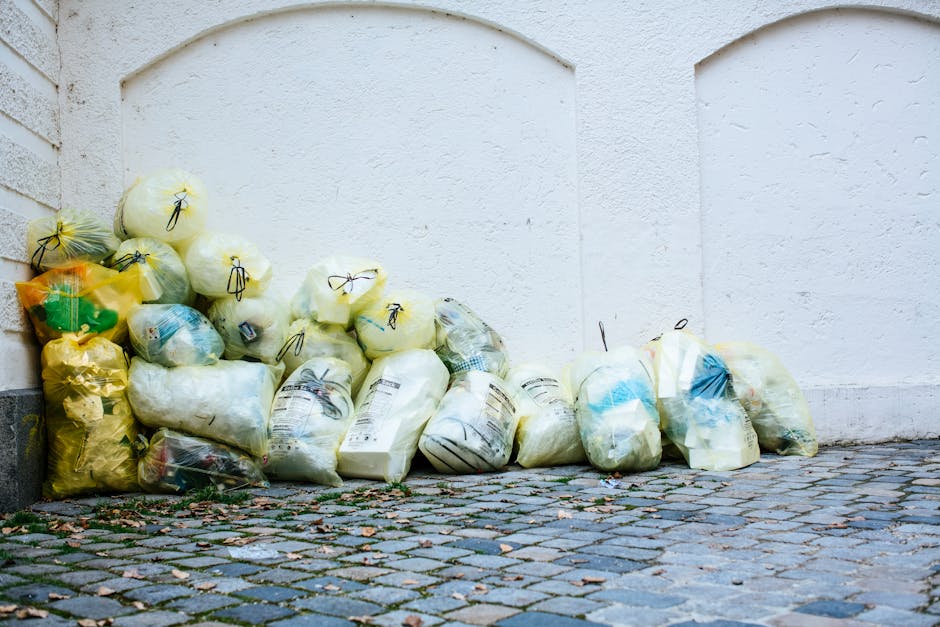
Most issues come from one of four things: waste placed outside too early, bags not securely tied, mixed materials in the wrong stream, or floral waste left in communal areas. A small pile by a rear doorway can become a complaint by morning if foxes, wind, or rain get involved. And yes, London weather loves adding its own opinion.
For residents, the process is simpler but still worth thinking through. If you are disposing of a home bouquet, separate any recyclable card from the wet stems, drain water carefully, and avoid stuffing bulky stems into overfilled bins. It is a tiny habit, but it reduces smells and mess.
Where fines come in
Fines are usually associated with breaches of waste rules rather than with flowers specifically. If floral waste is dumped, fly-tipped, left in the wrong place, or handled in a way that creates nuisance, enforcement may follow. In short: the flower is not the problem. The disposal method is.
Key Benefits and Practical Advantages
Following proper floral disposal guidance is not just about avoiding penalties. It makes daily operations smoother and less stressful. That matters whether you are managing a busy shopfront or simply clearing wedding leftovers at the end of a long day.
| Benefit | What it means in practice | Why it matters |
|---|---|---|
| Lower risk of complaints | Waste stays contained and away from public areas | Reduces neighbour issues and council attention |
| Cleaner premises | No lingering stems, sticky residue, or overflow bags | Improves appearance and hygiene |
| Better recycling outcomes | Clean packaging is separated from organic waste | Improves the chance materials go to the right stream |
| Less staff confusion | Everyone knows what goes where | Saves time and avoids mistakes |
| Stronger compliance | Waste is handled according to local expectations | Reduces the risk of fines or enforcement action |
There is also a less obvious benefit: good waste handling helps preserve the quality of your flower operation. If you are already using seasonal stock, careful conditioning, or thoughtful care routines like the ones described in our flower care guide, then disposal should be part of the same professional mindset. Keep the whole chain tidy, from arrival to final cleanup.
In a business context, that can also support a better customer experience. Fresh flowers at the front, clean disposal at the back. Simple, but powerful.
Who This Is For and When It Makes Sense
This guidance is useful for a few different people, and the details matter slightly for each one.
Florists and flower retailers
If you sell flowers daily, you will generate regular waste from stems, packaging, and damaged stock. You need a system that works at speed and keeps the shop tidy. A few extra minutes at the end of the day can prevent a messy service yard by morning.
Wedding and event venues
Venues often deal with large floral installs, ceremony arrangements, table flowers, and breakdown waste all at once. That means more packaging, more greenery, and more pressure on bin space. Anyone who has cleared a marquee after midnight will know the scene: half-lit, slightly rushed, everyone tired. This is exactly when a good disposal plan pays for itself.
Homeowners and residents
If you just received a bouquet, you may only need to deal with a small amount of waste. Even so, it makes sense to split clean packaging from wet plant material. In shared buildings, bin etiquette matters more than people think. One overfilled bag can cause a small avalanche in a communal bin store. Not ideal.
Offices, hotels, restaurants, and corporate spaces
Businesses that use floral arrangements for reception areas or events should decide who empties containers, who removes old stock, and which bin stream is used. If you manage repeat deliveries or seasonal displays, it may help to use a structured arrangement or subscription approach. Some businesses prefer organised supply options like corporate accounts so they can keep ordering and waste processes more consistent.
Anyone arranging gifts or sympathy flowers
When flowers are part of a sensitive moment, disposal is often the last thing on your mind. That is understandable. Even so, respectful handling matters. If arrangements include memorial pieces, wreaths, or tributes, you may want to plan disposal separately and carefully, especially where shared sites or public spaces are involved. Some customers prefer products designed for specific occasions such as funeral flowers in Pimlico or related sympathy items, where presentation and aftercare both matter.
Step-by-Step Guidance
Here is the most practical way to handle floral disposal without overcomplicating it. Keep the process simple and repeatable.
- Separate the waste by material. Put stems, petals, and foliage in one pile; remove packaging, ribbon, cards, and plastic wrap separately.
- Check for reuse first. Can any flowers be conditioned for a second life? Can vases, baskets, or containers be washed and reused?
- Keep recyclable material clean. Dry paper and cardboard are often more suitable for recycling than wet, flower-stained items.
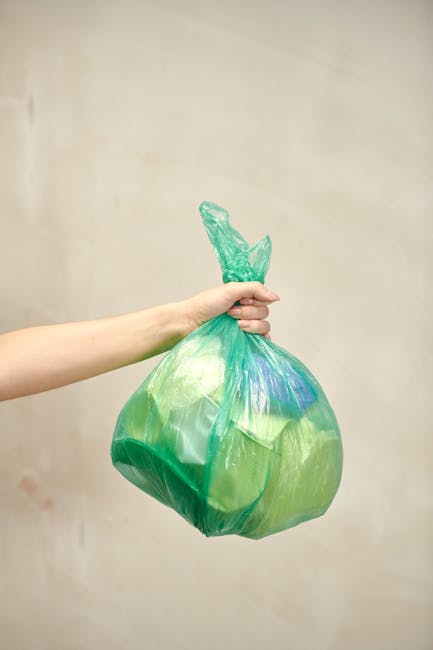
- Bag the organic waste securely. Use a strong liner or sack if the material is wet and heavy. Leaks are the enemy here.
- Do not leave waste outside early. Put bins out according to the local collection window, not the night before unless that is specifically allowed.
- Store waste out of public view where possible. Rear access, screened storage, or a designated bin area is much better than a front pavement pile.
- Clean up residues. Sweep petals, wipe damp surfaces, and rinse any containers or buckets before they smell.
- Review the process after busy periods. After a wedding weekend or a big delivery run, check what went wrong and tighten it up next time.
If you run a flower business, the easiest wins are usually around consistency. The same bin labels, the same end-of-day routine, the same person responsible for final checks. It sounds boring, maybe it is a bit boring, but it works.
A simple decision rule
Ask three questions before tossing floral waste:
- Is it clean and dry enough to recycle?
- Can it be reused or repurposed?
- If not, does it belong in general waste or a green waste stream?
If you cannot answer those quickly, pause and sort it properly. That pause saves hassle later.
Expert Tips for Better Results
Over time, the best waste systems become invisible. People just do the right thing without thinking too hard. Getting to that point is the goal.
Use clear bin labels. A label that says "clean cardboard only" works better than a vague "recycling" sign. Staff are busy. Give them a clear lane.
Keep floral waste separate from food waste. In mixed-use premises, this is a classic mistake. Wet leaves next to sandwich scraps is a bad combo and can create odour fast.
Choose packaging carefully. If you are a florist, using simpler wrap or less mixed-material packaging can make disposal easier for everyone. Less fiddly rubbish, fewer judgement calls.
Train temporary staff. Seasonal help, event crews, and late-shift teams need the same waste rules as full-time staff. A five-minute briefing goes a long way.
Think about timing. If flowers are being broken down after an event, do not leave everything until the next morning. Fresh waste becomes less pleasant very quickly, especially in warm indoor spaces.
Build a "last sweep" habit. One final check of corners, under tables, and behind display stands often catches petals, tags, and stray packaging before they become litter.
Use the right size bag. Overstuffed sacks split. Smaller bags may be more manageable and less likely to burst while being carried through a narrow service corridor.
And a small human truth: the final five percent of a cleanup often takes half the time. It always does. Funny old thing.
Common Mistakes to Avoid
These are the slips that cause most trouble, both for households and businesses.
- Mixing wet flowers with recyclable paper: one damp stem can ruin a whole bag of otherwise clean material.
- Leaving waste in shared hallways: communal spaces are not storage areas.
- Overfilling bins: a lid that will not close invites pests, smells, and complaints.
- Assuming all flower waste is compostable: some materials, especially treated foam and mixed packaging, are not suitable for compost routes.
- Ignoring packaging elements: string, stickers, tape, and plastic sleeves still count as waste.
- Putting bags out too early: this is a common way to attract enforcement or pass a problem on to the pavement.
- Forgetting cleanup after delivery: dropped leaves near entrances can be slippery and untidy.
Another mistake is thinking that small volumes do not matter. They do. One bag can become visible, and visible waste is what people remember. Especially in a place with heavy foot traffic and close neighbours.
Tools, Resources and Recommendations
You do not need a complicated setup to handle floral disposal well. A few basic tools make the job much easier.
- Strong bin liners: useful for damp stems and mixed organic waste.
- Separate labelled containers: helpful for clean packaging, cards, and ribbons.
- Hand brush and dustpan: for petals, leaves, and debris around displays.
- Debris bags or sacks: practical for event breakdowns and larger floral removals.
- Cleaning cloths and mild detergent: for wiping buckets, vases, and surfaces.
- Storage tubs: useful if reusable containers need to be kept separate from waste.
If you are buying flowers regularly, it can help to think beyond the bouquet. Businesses that place repeat orders may benefit from a simpler supply pattern through options like send flowers services or a broader selection from all flowers. When ordering is more organised, waste handling tends to be more organised too.
If you work with events, timing and volume matter. For last-minute jobs, a service such as same-day flower delivery can reduce the pressure of overbuying in advance. That can help cut down on spoilage and unnecessary disposal later. Fewer leftovers, fewer headaches.
For readers who want a feel for the business behind the blooms, the about us page gives a useful sense of the company's approach, while the sustainability page is a sensible place to look if you are trying to align disposal habits with broader environmental practice.
Law, Compliance, Standards and Best Practice
This topic touches local waste handling, cleanliness, and nuisance prevention, so it is worth being careful rather than casual. In the UK, waste should generally be managed responsibly, stored securely, and disposed of through the correct route for the material type. For Westminster premises, that usually means following local collection arrangements, keeping public spaces clear, and avoiding any action that could be seen as fly-tipping or unsafe storage.
While floral waste itself is not usually the problem, the way it is presented or stored can create a breach. For example, putting waste out at the wrong time, allowing sacks to split, or leaving material where it obstructs pedestrians may all lead to complaints or enforcement. Shared buildings and business premises should also consider landlord, lease, or contract requirements, because waste duties are often split between occupiers and management. That part gets messy quickly if nobody has said who does what. So, best to be explicit.
Good practice usually includes the following:
- sorting waste by material where practical
- keeping disposal areas tidy and accessible
- preventing leakage, odour, and pest attraction
- respecting collection times and storage limits
- training staff on local waste routines
- reviewing procedures after busy events or seasonal spikes
For florists and event teams, it is often sensible to document a simple internal method: where each material goes, who checks it, and when bins are taken out. It does not need to be formal or complicated. Just clear enough that a new staff member can follow it without guessing.
Options, Methods, or Comparison Table
Not every floral disposal method suits every situation. A small home bouquet needs a different approach from a wedding venue or a retail florist. Here is a straightforward comparison.
| Method | Best for | Pros | Limitations |
|---|---|---|---|
| General waste | Mixed or contaminated floral material | Simple, widely available, easy to manage | Not ideal if items could have been reused or recycled |
| Recycling clean packaging | Dry cardboard, clean paper sleeves, some containers | Supports waste reduction and better sorting | Contaminated or wet items may be rejected |
| Green waste or compost route | Fresh stems, leaves, and untreated organic waste | More sustainable where accepted | Not all locations or operators accept floral waste |
| Reuse or repurpose | Vases, baskets, display materials, some flowers | Reduces disposal volume and cost | Requires time, storage, and good condition |
In practice, the best method is often a mix. A bouquet may produce clean packaging, reusable ribbon, and wet organic waste all at once. Split them up. That is usually the smartest move, even if it takes an extra minute.
Case Study or Real-World Example
Here is a simple real-world style example based on a typical Westminster week. A small event space near a busy street hosts a wedding reception on Saturday. By late evening, the room has several table arrangements, broken-down display pieces, cardboard sleeves from deliveries, and a few buckets of stems and foliage.
On the first attempt, the team bags everything together in a rush. One sack leaks by the service door, a few petals blow into the alley, and the bin lid will not close. Nothing dramatic, but enough to create a mess and a complaint from the neighbouring property.
On the next event, they change the process. Clean packaging goes into one container, reusable vases are washed immediately, and organic waste is bagged separately in stronger liners. One staff member does a final sweep with a dustpan and torch at the back door. The room clears faster, the service area stays neat, and there is no leftover mess for the morning crew.
The lesson is pretty ordinary, but useful: a better waste routine does not require expensive kit. It just needs a repeatable plan. And someone has to actually do it. That bit matters more than the spreadsheet, honestly.
Practical Checklist
Use this quick checklist before you dispose of floral waste in Westminster.
- Have I separated flowers, packaging, and reusable items?
- Are any containers, vases, or display materials still usable?
- Is the packaging clean enough for recycling?
- Are wet stems and foliage contained securely?
- Have I avoided mixing floral waste with food waste?
- Are the bags tied, sealed, and not overfilled?
- Will the waste go out at the correct time for collection?
- Is the storage area clear of public access and safe for staff?
- Have I swept up petals, leaves, and debris around the area?
- Does everyone involved know who is responsible for the final check?
If you can tick those off, you are usually in good shape. Not perfect maybe, but good enough to avoid the usual avoidable problems.
Conclusion
Floral disposal is one of those tasks that looks minor until it creates a mess, a complaint, or a compliance headache. Westminster is a place where space is tight, footfall is high, and standards are visible. That means the best approach is usually the simplest one: sort waste properly, contain it well, respect collection rules, and build a routine your team can actually follow.
Done properly, floral disposal becomes just another smooth part of the day. No drama, no smell, no awkward bag on the pavement at 7 a.m. And that is what good waste management should feel like - quiet, tidy, unremarkable in the best possible way.
If you need flowers regularly for an event, shopfront, or workplace, it is worth planning supply and disposal together. The cleaner your system, the less time you spend dealing with leftovers later. Small thing, big difference.
Get a free quote today and see how much you can save.
Frequently Asked Questions
What counts as floral waste under Westminster waste rules?
Floral waste usually includes stems, leaves, petals, damaged blooms, wrapping, ribbon, ties, and any display materials that cannot be reused. The exact handling depends on whether the item is clean, recyclable, compostable, or general refuse.
Can I put flowers in the recycling bin?
Usually not if they are wet or mixed with other waste. Clean cardboard sleeves may be recyclable, but fresh flowers and contaminated packaging are often not suitable for standard recycling collections.
Are flowers classed as green waste?
They can be, depending on the local collection route and the material type. Fresh stems and foliage are often treated as organic waste, but not every service accepts them in the same way, so check the route being used rather than assuming.
What happens if floral waste is left out too early?
Leaving waste out too early can lead to complaints, mess, and possible enforcement action if it causes obstruction or appears to be dumped. In a busy area like Westminster, timing matters more than people sometimes expect.
Do florists need a special waste system?
Yes, usually they do, even if it is quite simple. Florists generate regular organic waste plus packaging waste, so a clear sorting and storage system helps prevent contamination and keeps the premises tidy.
Can wedding venues mix floral waste with general rubbish?
They can if there is no better route, but it is not ideal. Where possible, separate clean packaging from organic material and keep reusable containers out of the waste stream. It saves space and often makes cleanup easier.
How do I stop floral waste smelling in warm weather?
Drain water, bag organic waste securely, remove waste promptly, and clean buckets and containers after use. Heat and moisture are the main culprits, so the faster you manage them, the better.
What is the safest way to dispose of large event floral arrangements?
Break them down into smaller parts, separate reusable elements, and use strong liners for wet waste. For bigger events, assign one person to do the final sweep so nothing gets missed behind tables or staging.
Are flower foams and floral mechanics recyclable?
Usually not through standard household recycling. Foam, wire, tape, and mixed artificial support materials often need to go into general waste unless a specialist route is clearly available.
Can I compost flowers at home?
Often yes, if the flowers are untreated and the compost setup is suitable. Remove plastic wrap, ribbon, and any non-organic elements first. If you are unsure about treated materials or florist foam, keep them out of home compost.
Who is responsible for waste in a shared building?
That depends on the building's arrangements, lease terms, and management setup. In many cases, tenants, occupiers, and property managers all have some responsibility, so it helps to agree the process in writing rather than guess.
What is the best first step if I am unsure about floral disposal rules?
Start by separating the materials and keeping the waste contained. Then check how your building or business currently handles general waste, recycling, and any organic waste collection. If the system is unclear, make it simpler before it becomes a problem.
Get a free quote today and see how much you can save.


