Allergy-friendly flower choices for Pimlico homes
Posted on 02/11/2026
If you love having fresh flowers in the house but sneezing starts the moment the vase goes on the table, you are in the right place. Allergy-friendly flower choices for Pimlico homes are all about keeping the beauty and lift of flowers without turning your living room into a pollen minefield. In a compact London home, that matters even more: one bouquet can scent a hallway, brighten a bay window, and still be gentle on sensitive noses if you choose well. This guide walks you through the best blooms, the ones to handle carefully, and the small details that make a big difference.
Pimlico homes often have their own rhythm: tall windows, warm interiors, limited space, and the occasional draft from an open door on a busy street. The trick is not just picking pretty flowers, but picking the right flowers, arranging them sensibly, and understanding how to keep allergens down. Let's make it practical.
Why Allergy-friendly flower choices for Pimlico homes Matters
For some people, flowers are a mood lift. For others, they are a trigger. That is the whole tension here. A bouquet can contain visible beauty and invisible irritants at the same time, especially if the flowers are high-pollen, heavily scented, or shedding pollen indoors. If someone in the home has hay fever, asthma, dust sensitivity, or general pollen sensitivity, the wrong arrangement can mean itchy eyes, a scratchy throat, or a nose that will not settle down.
In Pimlico, where many homes are elegant but not enormous, a bouquet sits close to where you live, eat, and sleep. There is not much room for pollen to disperse. A dining table arrangement in a period flat, for example, can feel lovely at lunch and a bit less lovely by bedtime if it is the wrong type. Truth be told, the issue is often not flowers in general. It is flower selection, placement, and care.
There is also a design side to this. Allergy-friendly flowers can still look luxurious, seasonal, and thoughtful. They are not a compromise. In many cases they are simply a smarter choice. If you are sending flowers to a neighbour, decorating for guests, or choosing a gift for a household with children or pets, choosing lower-pollen blooms shows real care.
How Allergy-friendly flower choices for Pimlico homes Works
The basic idea is simple: reduce the chance of pollen exposure while keeping the arrangement attractive. That starts with the plant itself. Some flowers naturally produce very little airborne pollen, while others are much more likely to shed pollen into the room. A florist can also design around the issue by removing visible stamens, selecting tightly closed blooms, or using flowers that open cleanly and stay tidy.
There are a few practical principles behind it:
- Choose low-pollen flowers such as roses, tulips, orchids, hydrangeas, carnations, alstroemeria, and lisianthus.
- Avoid obvious high-pollen culprits like lilies with exposed stamens, daisies in some mixed arrangements, and many field-style wildflower mixes.
- Pick double blooms or pollen-free varieties where possible, because they tend to shed less.
- Keep arrangements fresh by changing water regularly and removing any tired stems before they break down.
- Place flowers sensibly away from pillows, radiators, and food preparation areas if sensitivity is a concern.
One thing people sometimes miss: it is not just the pollen itself. Strong fragrance can be irritating too, especially in small spaces. A person may not react to pollen much at all but still get a headache from a very scented lily or freesia arrangement. So the best allergy-friendly choice usually balances pollen level, fragrance, and overall tidiness.
That is why a florist choice bouquet can be useful when it is specified properly. A good florist will know how to lean toward cleaner, softer, lower-irritation stems. If you are working with a local expert, you can ask for a restrained, airy look rather than something overly dense and pollen-heavy. If you need a reliable starting point, a local florist in Pimlico SW1 can usually guide you through suitable stems and seasonal substitutions.
Key Benefits and Practical Advantages
Allergy-friendly flower choices do more than reduce sneezing. They make everyday living easier. In homes where the kitchen opens into the sitting room, or where the first thing you see in the morning is a vase on a side table, the right flowers improve the atmosphere without creating a nuisance.
Here are the main advantages:
- Lower irritation for allergy-sensitive household members and guests.
- Cleaner indoor presentation because low-pollen flowers tend to shed less mess on surfaces.
- Better suitability for shared spaces such as open-plan flats, entrances, and guest rooms.
- More confidence when gifting because you are less likely to send something someone cannot comfortably enjoy.
- Greater flexibility in styling since many low-pollen flowers suit classic, modern, and romantic looks.
There is also a little emotional benefit that is easy to overlook. If flowers cause fewer symptoms, people relax around them. They notice the colour, the shape, the calm of the room. The arrangement becomes a pleasure rather than a thing to manage. And really, that is the point.
Expert summary: The safest flower choice is not automatically the least beautiful one. For Pimlico homes, the best bouquets are usually low-pollen, lightly scented, well-cared-for, and placed thoughtfully. Simple, but not simplistic.
Who This Is For and When It Makes Sense
This topic matters if anyone in the home has seasonal allergies, asthma, scent sensitivity, or a history of reacting to bouquets. It also makes sense if you live in a smaller flat, host guests often, or want flowers for a bedroom, nursery, or work-from-home area. In those situations, the margin for error is smaller.
It is especially helpful for:
- families with hay fever sufferers
- older residents who prefer mild, tidy arrangements
- new parents setting up a calm room
- hosts who want to make guests comfortable
- people sending sympathy, get-well, or thank-you flowers
- couples planning wedding or event flowers in an allergy-aware way
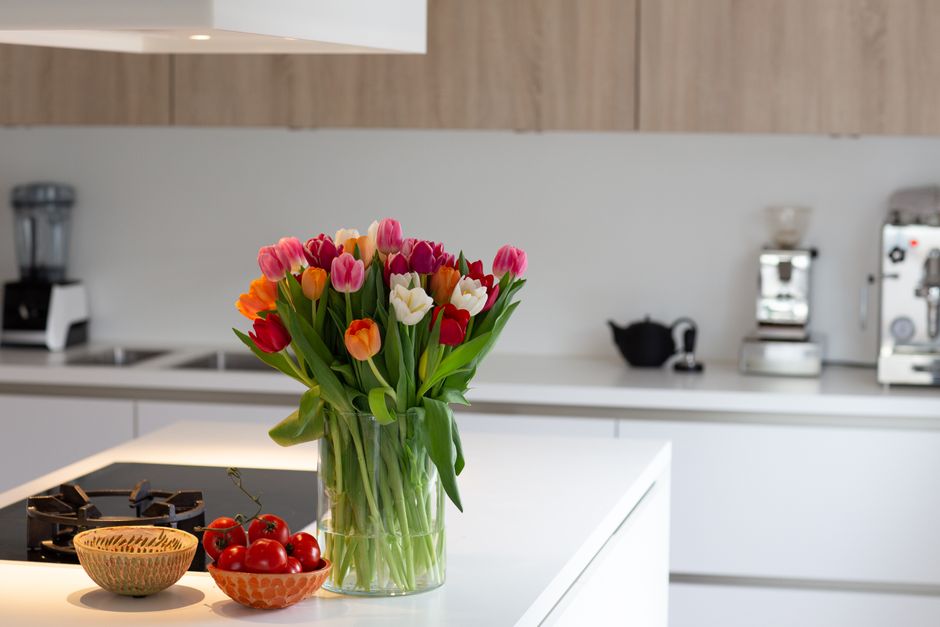
There are also moments when it is worth being extra careful. Think of a bedside bouquet for someone recovering, or a cluster of flowers on a kitchen island where food is prepared. You do not want petals, pollen, and fragrance competing with sleep or appetite. That's just asking for trouble, frankly.
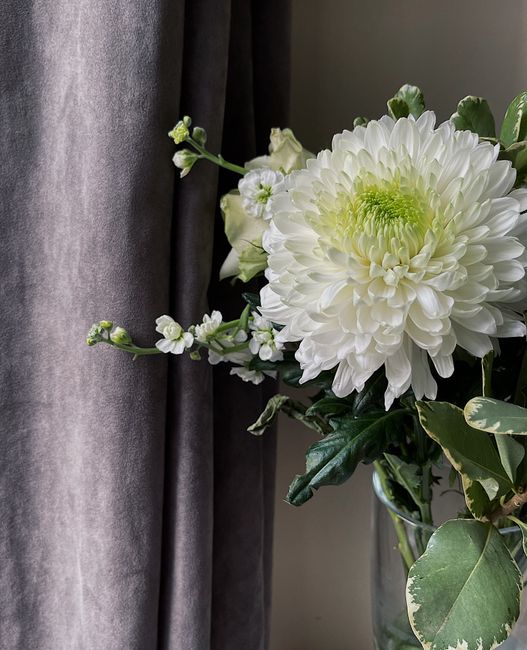
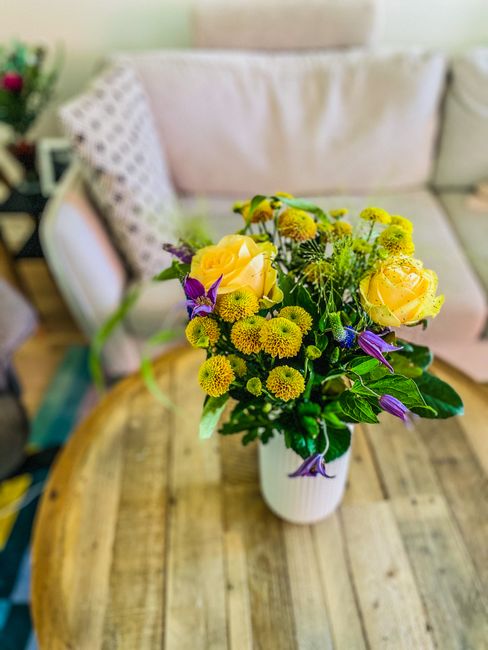
If you are picking something for a special occasion, a softer palette can help the arrangement feel calm as well as considerate. White, blush, soft yellow, and muted purple tones often work beautifully. If you want a gentler visual style, browsing white flowers or purple-toned flowers can be a good place to start.
Step-by-Step Guidance
If you want a practical approach, follow this order. It keeps things simple and avoids the usual "looks lovely online, makes me sneeze at home" disappointment.
1) Start with the person, not the bouquet
Ask whether the issue is pollen, fragrance, dust, or all three. A person with hay fever may react differently from someone sensitive to strong scent. If you know the household well, use that information. If not, stay conservative.
2) Choose low-pollen flower families
Good starting points usually include roses, tulips, orchids, carnations, hydrangeas, alstroemeria, and lisianthus. These are popular because they can look polished while generally being easier to live with indoors. They are not magic, but they are sensible.
3) Avoid flowers with obvious pollen dust
Lilies are the classic example. Beautiful, yes. But the pollen can be messy, and the scent is often strong. If lilies are essential for style reasons, a florist may be able to remove anthers before delivery, but that is not always ideal for a household with sensitivity.
4) Keep fragrance in check
Some bouquets cause more issues because of smell than pollen. In a small Pimlico sitting room, fragrance can hang around. If you want a calm effect, ask for a lighter scent profile rather than a heavily perfumed mix.
5) Think about the setting
Bedroom, hallway, guest bathroom, dining table, home office: each space behaves differently. A bouquet that feels fresh in a large reception room can feel overwhelming near a pillow. Scale matters. So does airflow.
6) Maintain the flowers properly
Trim stems, refresh the water, and remove spent petals or leaves. Old plant material can make a bouquet feel damp, tired, and a bit grim after a few days. Not dramatic, just true.
7) Reassess if symptoms appear
If someone starts reacting, move the flowers out of the room and see whether symptoms improve. That tells you a lot. It is a simple test, but useful.
Expert Tips for Better Results
In our experience, the best allergy-aware arrangements are the ones that look considered rather than overstuffed. A little air around the stems helps the bouquet breathe and often makes it easier to keep clean.
- Ask for the stamens to be removed on any flower that has visible pollen, especially if the bouquet includes lilies.
- Choose tight or semi-open buds if you want a longer display and less immediate pollen release.
- Go for vase arrangements rather than loose bunches if you want fewer handling issues. A vase also keeps stems contained and stable.
- Prefer smooth petals over fuzzy textures if pollen and dust are a concern. Fewer nooks, less debris.
- Use a simple colour story so you do not feel tempted to pack the arrangement with every flower available.
A small but important detail: keep flowers away from heat sources. Radiators and sunny windows can speed up opening and shortening the life of the bouquet. In a warm room, a bloom may start shedding or fading faster than expected. If it is a bright afternoon and the room feels stuffy, even a lovely arrangement can begin to feel tired by evening.
If you are choosing flowers for a special event in Pimlico, ask for a design that looks generous without being dense. That often means fewer stems, better spacing, and more careful selection. You get the elegance without the sneeze factor. Nice balance, that.
Common Mistakes to Avoid
These are the slip-ups that turn a thoughtful bouquet into a practical annoyance.
- Choosing on looks alone. The prettiest bouquet in the shop is not always the best one for an allergy-sensitive home.
- Overlooking fragrance. A low-pollen flower can still smell very strong.
- Buying oversized arrangements for small rooms. Bigger is not always better indoors.
- Leaving pollen-bearing flowers untreated. If the stamens are shedding, the room will notice.
- Forgetting maintenance. Old water, drooping leaves, and fallen petals all make the issue worse.
- Assuming every mixed bouquet is safe. Mixed designs can hide one or two problematic stems.
A common real-world mistake is buying a beautiful mixed bunch for the living room and then discovering it is making the household feel sniffly by day two. It happens more than people admit. The fix is usually straightforward, but it is better not to get there in the first place.
Tools, Resources and Recommendations
You do not need specialist equipment, just a few sensible habits and the right products. For most homes, the useful tools are basic: a clean vase, fresh water, scissors or a sharp stem cutter, and a little attention.
Useful recommendations include:
- Vase-first arrangements for stability and less handling.
- Florist choice options when you want a professional to select cleaner stems for you.
- Simple colour collections if you prefer a calmer, less pollen-heavy visual style.
- Flower care guidance to help cut blooms last longer indoors.
If you are comparing bouquet styles, pages such as florist choice, flowers in a vase, and flower care advice can be useful reference points. They help you think beyond the photograph and into how the flowers will actually behave in a home.
For households that want a dependable, easy-to-live-with option, look for arrangements that emphasise structure, freshness, and restrained fragrance. You will often find that roses, tulips, orchids, hydrangeas, and alstroemeria are easier to manage than more open, pollen-heavy stems. Not always, but often enough to matter.
Law, Compliance, Standards, or Best Practice
There is no special law that says a home must use certain flowers, of course. But there are sensible best practices around product descriptions, consumer expectations, and care instructions that matter when flowers are bought online or delivered as gifts. In the UK, customers generally expect the product supplied to reflect the description as closely as reasonably possible, while still allowing for seasonal variation. That is standard floral practice, not a dramatic legal point.
From a household safety and comfort perspective, the best practice is simple:
- be clear if someone has allergies or scent sensitivity
- ask for low-pollen, low-fragrance stems where possible
- avoid placing flowers where they interfere with sleep, food, or medication routines
- follow basic care instructions so flowers stay fresh and do not become messy
- consider water hygiene and old stem removal to keep the arrangement tidy
If flowers are being delivered to a business or shared property, it is polite and sensible to think about shared spaces too. A strong fragrance in an entrance hall or reception area can bother more than one person. Best practice in that setting is often to keep things elegant and subtle rather than large and heady.
For peace of mind, check delivery terms, returns guidance, and guarantees before ordering, especially if timing matters. A dependable guarantees page and clear delivery information can help set expectations. That kind of clarity is underrated. It saves hassle later.
Options, Methods, or Comparison Table
Different flower types work better for different homes. Here is a simple comparison to help you choose without second-guessing every stem.
| Flower type | Allergy-friendliness | Fragrance | Best use in Pimlico homes | Notes |
|---|---|---|---|---|
| Roses | Good | Light to moderate | Bedrooms, dining tables, gifts | Classic and versatile; choose cleaner, fresher stems. |
| Tulips | Good | Low | Modern interiors, small flats | Simple shape, tidy look, usually easy to live with. |
| Orchids | Very good | Low | Elegant rooms, office spaces | Long-lasting and often a strong choice for sensitive households. |
| Hydrangeas | Good | Low | Feature arrangements | Full, soft look; keep well-watered. |
| Carnations | Good | Low to mild | Budget-friendly arrangements | Often tidy and reliable, with plenty of colour options. |
| Alstroemeria | Very good | Low | Mixed bouquets, everyday flowers | Popular for a reason: they look lively without being fussy. |
| Lilies | Poor to moderate | Strong | Only with caution | Visible pollen and scent can be problematic in smaller homes. |
If you prefer the simplest route, a low-pollen vase arrangement is usually the safest. If you want something more decorative, a soft mixed design with roses, alstroemeria, and carnations can still feel generous. A lot depends on how much scent you can tolerate, really.
Case Study or Real-World Example
Picture a typical Pimlico flat: two bedrooms, an open-plan living space, not a huge amount of ventilation, and one resident who is fine with most flowers except strongly scented ones. The goal is a bouquet for the sitting room that feels cheerful on a grey weekday morning but does not cause irritation by evening.
A sensible choice would be a low-pollen mix built around white roses, pale pink carnations, and alstroemeria, with perhaps a few hydrangea heads for volume. The florist would avoid lilies, remove any pollen-heavy anthers if needed, and keep the design loose rather than packed. The arrangement would be placed away from the sofa and not directly beside a radiator.
The result? The room feels brighter. The flowers look polished. Nobody is reaching for tissues every ten minutes. It is a small win, but a real one. These are the kinds of details that make flowers more enjoyable long after the delivery driver has gone and the front door closes.
For a birthday, that same approach can still feel celebratory. If you want inspiration for a gift that remains easy on the senses, a birthday flowers Pimlico SW1 selection can be paired with softer, lower-pollen stems and a restrained fragrance profile. Practical and thoughtful. A rare combo, but a good one.
Practical Checklist
Use this quick checklist before you order or arrange flowers for an allergy-sensitive Pimlico home.
- Have I checked whether pollen or fragrance is the main concern?
- Have I chosen low-pollen flowers such as roses, tulips, orchids, hydrangeas, carnations, or alstroemeria?
- Have I avoided obvious high-pollen stems like lilies with exposed stamens?
- Have I kept the arrangement size appropriate for the room?
- Have I asked for a lighter scent profile if needed?
- Have I planned where the flowers will sit in the home?
- Have I got a clean vase and fresh water ready?
- Will I change the water and remove tired stems regularly?
- Have I considered the comfort of guests, children, or pets?
- Have I chosen a florist or bouquet style that feels flexible rather than rigidly packed?
Quick practical note: if you are unsure, start with the quiet option. A restrained bouquet is easier to live with, easier to clean around, and easier to adapt if someone turns out to be more sensitive than expected.
Conclusion
Allergy-friendly flower choices for Pimlico homes are not about giving up flowers. They are about choosing better ones. When you focus on low-pollen blooms, gentle fragrance, good spacing, and sensible care, you can keep the charm of fresh flowers without the unnecessary discomfort. That makes them more useful, more thoughtful, and honestly, more enjoyable.
In a Pimlico home, where space, air flow, and style all matter, the smartest bouquet is often the one that feels calm as well as beautiful. Choose with care, and the flowers will do what they are meant to do: lift the room, soften the day, and make the home feel looked after.
Get a free quote today and see how much you can save.
And if you are standing at the door with a bouquet in hand wondering whether it will be fine, it probably will be - if you have chosen thoughtfully. That little bit of care goes a long way.
Frequently Asked Questions
What are the best allergy-friendly flowers for homes in Pimlico?
Roses, tulips, orchids, hydrangeas, carnations, and alstroemeria are usually safer choices because they tend to produce less airborne pollen and are often easier to live with indoors.
Are lilies bad for allergy sufferers?
They can be. Lilies often have visible pollen and a strong scent, both of which may bother sensitive people in smaller rooms. If you do choose them, extra care is needed.
Do scented flowers always cause allergies?
Not always, but fragrance can still be irritating even when pollen is low. A person may tolerate roses but react to a heavily perfumed bouquet, so scent matters as much as pollen.
Can I keep flowers in a bedroom if someone has hay fever?
Yes, but choose carefully. Keep to low-pollen, lightly scented flowers and avoid large arrangements right next to the bed. Smaller, cleaner designs are usually better.
Are vase arrangements better than loose bouquets for allergies?
Often yes. Vase arrangements are less fiddly, keep stems stable, and can reduce handling. They also tend to look tidier, which helps in compact homes.
Which flowers are usually safest for gifting to sensitive households?
Soft mixed bouquets with roses, alstroemeria, tulips, or orchids are often a good choice. If you know the person well, ask about scent and pollen sensitivity first.
Can a florist remove pollen to make flowers safer?
In some cases, yes. Florists can sometimes remove pollen-bearing parts from certain flowers, especially lilies. That said, it is still better to choose naturally lower-pollen flowers where possible.
How long do allergy-friendly flowers usually last?
That depends on the flower type and care. Orchids and carnations can last well, while roses and tulips may need more attention. Fresh water and regular trimming make a big difference.
Are dried flowers a better option for allergies?
Not always. Dried flowers do not shed fresh pollen, but they can collect dust, which may be a problem for some people. They are worth considering, but they are not automatically ideal.
What should I avoid if someone in the home has asthma?
Avoid strongly scented flowers, high-pollen varieties, and crowded arrangements that trap dust and debris. Keep the display modest and place it where air can move freely.
Is it better to choose one flower type or a mixed bouquet?
One flower type is often simpler and easier to assess for allergies. Mixed bouquets can still work well, though, if the florist keeps to low-pollen stems and a gentle fragrance profile.
How do I know if my bouquet is causing symptoms?
If sneezing, itchy eyes, or a scratchy throat start soon after the flowers arrive and improve when they are removed, the bouquet may be the trigger. Try moving it to another room as a test.
Can allergy-friendly flowers still look luxurious?
Absolutely. A clean arrangement of roses, orchids, or hydrangeas can look elegant and high-end without being overpowering. Quiet style often looks more expensive than crowded style anyway.
Where can I find flower options suitable for a Pimlico home?
Look for florists who offer low-pollen bouquets, vase arrangements, and clear care guidance. If you need a more general starting point, browsing flower delivery in Pimlico SW1 options can help you compare styles and choose with confidence.


